


How Real-Time Feedback Improves Patient Journeys
Key Takeaways
Author


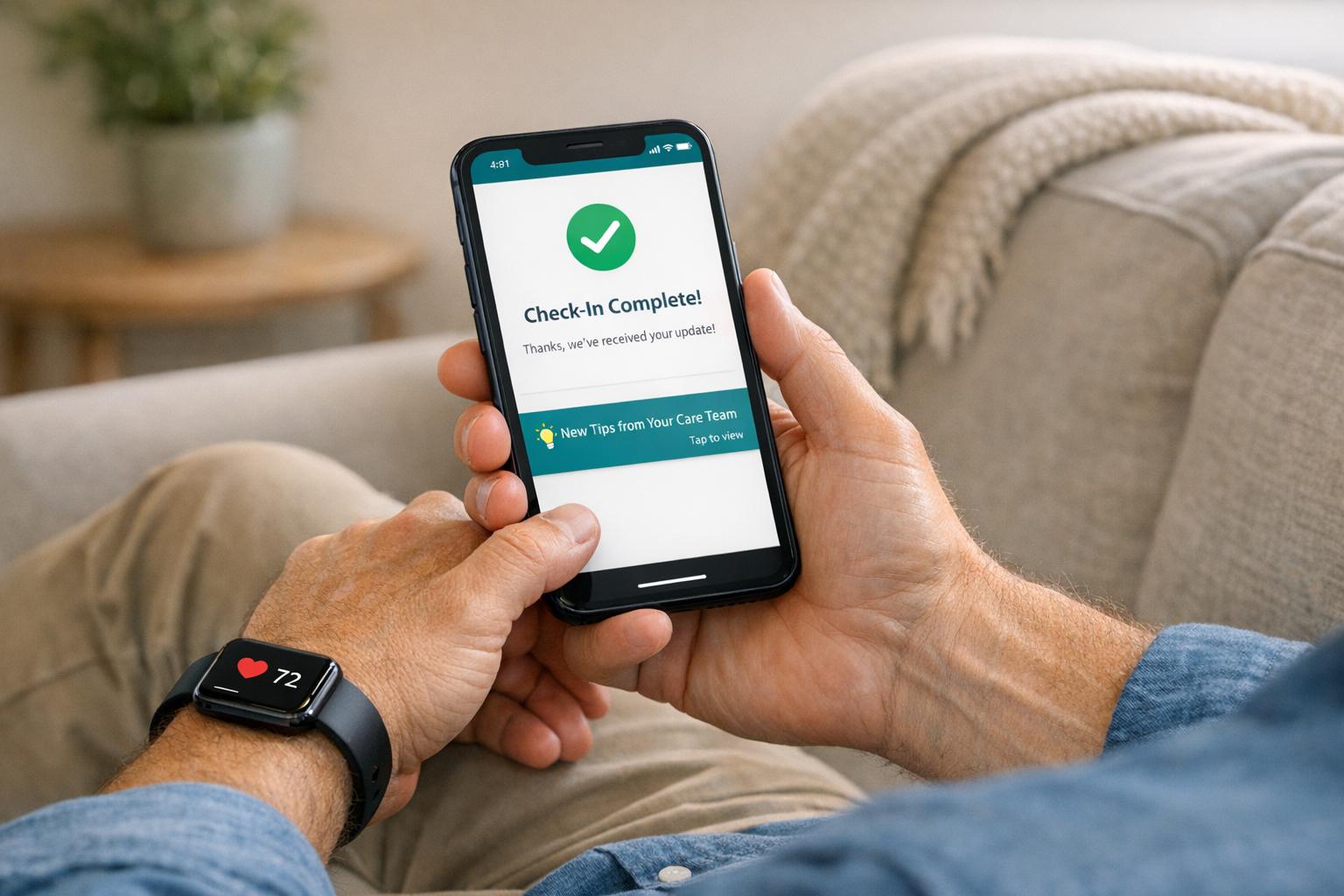
Real-time feedback transforms healthcare by collecting patient insights during their care experience, enabling quick responses to challenges. Unlike traditional surveys, this approach uses tools like mobile apps, SMS, and wearables to gather immediate input, addressing issues like medication adherence, side effects, or treatment concerns in real time. Pharmaceutical companies and healthcare providers benefit from better patient outcomes, improved satisfaction, and actionable data for personalized care.
Key Takeaways:
- Immediate Insights: Real-time feedback identifies problems as they happen, enabling faster solutions.
- Better Adherence: Tools like smart pillboxes and reminders improve medication adherence by up to 23%.
- Personalized Support: AI analyzes feedback to offer tailored interventions, such as pairing patients with mentors to improve decision making.
- Long-Term Improvements: Dashboards track trends over time, helping refine care processes and outcomes.
Real-time feedback isn't just about data - it's about using that data to create a smoother, more supportive healthcare experience for everyone involved.

4-Step Real-Time Feedback Process for Improving Patient Journeys
Step 1: Gather Real-Time Feedback During Initial Engagement
Set Up Digital Feedback Tools
Collecting patient feedback during diagnosis and treatment onboarding is a game-changer. Pharmaceutical companies are increasingly turning to "Patient Councils", which involve patients from the earliest stages of R&D all the way through to commercialization. Here's why it matters: spending $100,000 on pre-Phase 2 patient involvement can shave 2.5 years off the time it takes to get to market and deliver a 500x return on investment.
Digital platforms make it easy to gather insights right at the point of care. Tools like mobile check-ins, satisfaction surveys, and secure messaging streamline the process. Even more powerful, Natural Language Processing (NLP) tools can analyze unstructured data - such as patient interviews, free-text survey responses, and social media comments - to pinpoint issues as they arise. Roche is already leading the way. Naziah Lasi-Tejani, Global Patient Partnership Group Leader at Roche, highlights this shift:
The importance of patient voice has grown alongside, and is now involved extremely early in the R&D process, influencing the prioritization of programs.
By leveraging digital tools to capture these insights, companies can lay the groundwork for addressing patient concerns early and effectively.
Match Patients with Mentors
Pairing new patients with experienced mentors during their initial engagement helps build trust and encourages treatment adoption. But successful matching goes beyond surface-level demographics. It requires a deep understanding of each patient’s unique needs, communication preferences, and goals, gathered through detailed intake profiles. Platforms like PatientPartner excel at this by connecting patients with mentors who have faced similar treatment journeys, fostering meaningful, goal-oriented relationships from the start.
The impact is clear: patients participating in structured mentorship programs show a 72% retention rate, compared to just 49% for those without mentors. Mentors also see improved retention rates, reaching 69%. Tanya Shepley, a ZS expert, underscores the role of technology in this process:
Technology in this space isn't about replacing the human element - it's about creating not only more meaningful touch points but granting you the ability to scale.
This approach ensures that patients feel supported while allowing companies to scale their engagement efforts effectively.
sbb-itb-8f61039
Creating Moments That Matter: Steve Peltzman on Real-Time Patient Feedback
This discussion highlights how technology can bridge the gap between clinical data and human connection, much like how an AI mentor supports patients through their treatment journey.
Step 2: Use Real-Time Feedback to Track Adherence
Once digital engagement is established, using real-time data becomes essential for monitoring adherence effectively.
Monitor Adherence with Digital Tools
Digital tools simplify the process of tracking medication adherence by automatically recording when patients take their medications. Devices like smart pillboxes, bottle caps, and inhaler sensors send real-time updates to clinical dashboards, helping healthcare teams monitor progress and address missed doses immediately. This approach has shown impressive results, including 87% fewer hospitalizations and 77% fewer deaths.
These devices also utilize visual cues and automated notifications. For instance, LED lights on device gateways change colors - red to green - indicating completed daily tasks. Text or email reminders further ensure patients stay on track. In asthma care, Adherium Hailie sensors have demonstrated cost savings of around 40%, or $1,500 per patient annually. As the World Health Organization highlights:
Medication adherence impacts patient outcomes more than a specific treatment directly.
Ease of use plays a huge role in adoption. Simple "plug-and-play" cellular devices eliminate the need for complex setups like Bluetooth pairing, making them ideal for older or less tech-savvy patients. Additionally, patients who upload biometric data daily are far less likely to have uncontrolled HbA1c levels (above 9%) compared to those who upload data less frequently. This kind of real-time tracking enables healthcare providers to intervene promptly when issues arise.
Spot Patterns and Barriers as They Happen
Real-time feedback does more than track adherence - it helps uncover patterns and identify barriers in patient behavior. These could include internal challenges like resistance to digital tools or a lack of confidence in treatment, as well as external hurdles such as high costs, travel difficulties, or technical problems. By detecting these issues early, pharmaceutical companies can adopt modern patient engagement trends to better support patients.
Here’s why this matters: adherence to chronic medications hovers around 50%, yet achieving optimal therapeutic outcomes often requires adherence rates of 80% or higher. Medication non-adherence also costs Medicaid approximately $8 billion annually. Hassan Khader Y Almathami from the University of Wollongong explains:
Acceptance by patients increased as a result of online consultation facilitators that promoted effective and convenient remote treatment.
Platforms like PatientPartner take a combined approach, blending digital monitoring with human mentorship. This pairing addresses behavioral and environmental challenges by providing real-time feedback alongside mentorship. Patients receive immediate support and encouragement, which builds confidence in managing their treatment plans. This strategy is especially impactful for chronic conditions like congestive heart failure, where consistent adherence is critical for long-term outcomes.
Step 3: Use Feedback Data for Personalized Interventions
Once you've tracked adherence patterns, the next step is turning feedback into meaningful actions tailored to each patient's specific needs.
Analyze Patient Data with AI Tools
AI-powered platforms can pull together feedback from wearables, Electronic Health Records (EHRs), and case management systems to create a full picture of patient behavior. This helps predict which patients might need extra support early on.
The real power lies in combining real-time feedback with behavioral science. For example, analyzing open-ended responses and text fields can reveal not just what challenges patients face, but why they’re struggling with their treatment plans. Role-based dashboards make this information actionable by offering high-level trends for executives and detailed insights for digital experience managers. As Qualtrics explains:
The Qualtrics Experience Management Platform turns feedback from multiple channels into clear, predictive insights and actionable recommendations.
Closed-loop systems take it a step further. These systems trigger immediate follow-ups when specific feedback patterns pop up. For instance, if a patient mentions side effects or confusion about dosing, the system alerts care coordinators to step in right away. This proactive approach not only addresses safety concerns but also helps prevent small issues from escalating into major barriers to adherence.
This kind of predictive insight paves the way for real-time, personalized interventions.
Improve Engagement with Customized Support
Armed with these insights, you can deliver tailored support through a mobile-first, mentor-driven strategy. Since most Americans rely heavily on mobile devices, SMS-based communication has proven far more effective than traditional patient portals or email campaigns.
Platforms like PatientPartner take this mobile-first approach a step further by incorporating mentorship. Using feedback data, the platform pairs patients with mentors who have successfully navigated similar challenges. So, when the system detects a patient struggling with their treatment, it connects them with someone who’s been in their shoes. Automation handles the rest - sending reminders, pre-visit instructions, and educational content customized to each patient's stage in their care journey.
Dr. Gustavo Del Toro, Chief Medical Officer at Wyckoff Heights Medical Center, highlights the benefits of real-time feedback systems:
Q-Reviews has revolutionized the way in which we perform service recovery with patients... the information we receive on a daily basis allows us to better understand our performance in the eyes of our customers, the patient community.
This personalized, data-driven approach not only reduces no-shows but also boosts adherence to care plans and helps identify potential readmission risks before they become critical.
Step 4: Improve Long-Term Patient Journeys with Data Insights
Once personalized interventions are in place, the next step is to focus on the bigger picture: refining patient journeys over the long term. This means using data to track progress across full treatment cycles and identifying areas for improvement.
Track and Improve Outcomes with Dashboards
Role-based dashboards are essential tools for delivering the right insights to the right people. For example:
- Executives can monitor high-level trends and benchmarks across different locations.
- Digital experience managers can dive into app usage and patient portal interactions.
- Hospital supervisors can track real-time patient progression and census data.
These dashboards shouldn't just focus on isolated interactions. Instead, they should map out entire clinical episodes - from the first patient engagement to long-term adherence. This is especially important for complex care scenarios like chronic disease management, joint replacements, or cancer treatment. A comprehensive view helps identify common challenges and highlights which interventions are most effective.
A great example of this comes from three accredited Brazilian hospitals that used dashboards to analyze patient feedback between March and June 2019. By examining quantitative data, they made improvements in areas like meal temperature, wait times, and discharge processes. Qualitative feedback led to immediate changes, such as adjusting lighting in exam rooms and offering blankets to patients. This approach combined multiple data sources - like app interactions, inpatient stays, and post-acute care - into a single, actionable view.
Real-time operational monitoring also plays a critical role. Dashboards that track metrics like patient flow, occupancy, and wait times in real-time empower frontline staff to make timely adjustments. These tools not only provide instant insights but also lay the groundwork for ongoing service improvements.
Act on Feedback to Refine Programs
Having comprehensive data is just the starting point. The real value lies in using that data to make meaningful changes. Feedback should be categorized into three groups: one-off issues needing immediate action, recurring problems that require process changes, and broader opportunities for improvement.
At Geisinger Wyoming Valley Medical Center, an initiative led by Dr. Keith Willner showcased the power of acting on real-time feedback. From June to October 2022, the center introduced in-person surveys for ER patients at discharge, using medical student volunteers and iPads. This approach yielded a 50.1% response rate - far higher than the 3.14% response rate for mailed Press Ganey surveys. The real-time feedback resulted in better scores for "feeling informed" (79.2 vs. 75.6) and "satisfaction with care team" (83.0 vs. 74.7). Dr. Willner explained:
More accurate evaluation of ED patient experience can allow for meaningful improvement in ED care.
In the long run, closed-loop systems are key to addressing emerging issues. For instance, if a patient reports being unsure about their medication schedule or mentions concerns about side effects, the system can alert care coordinators immediately. This proactive approach prevents minor issues from turning into major obstacles.
The Net Promoter Score (NPS) is another tool for driving quality improvements. As a Patient Experience Supervisor at Case Study Hospital C noted, "The board understands that NPS is a strategic indicator - improvements require deliberate action". By continuously refining processes based on real-time data, hospitals can achieve lasting improvements rather than relying on temporary fixes.
Platforms like PatientPartner take this concept even further by integrating feedback directly into mentorship programs. For example, if dashboard data flags a patient as being at risk of dropping out of treatment, the platform can automatically adjust mentor interactions and educational content to address concerns before they escalate. This kind of proactive support ensures patients stay on track with their care plans.
Benefits of Real-Time Feedback for Stakeholders
Real-time feedback offers distinct advantages to various stakeholders, helping shape more effective and customized programs.
Benefits vs. Challenges Comparison Table
| Stakeholder | Benefits | Challenges |
|---|---|---|
| Patients | Improved medication adherence (23% increase); ability to resolve issues before leaving the facility; feeling more informed and involved in care decisions; 88% believe excellent experiences enhance treatment effectiveness. | Anxiety due to constant monitoring and reminders of their condition; difficulty with technology, particularly among older adults; concerns over privacy and data sharing; frustration with poorly designed digital tools. |
| Healthcare Providers | Reduced burnout from positive feedback; better morale in high-stress areas like emergency rooms; earlier detection of patient deterioration; ability to monitor long-term health trends; more accurate vital signs without "white coat syndrome"; improved satisfaction scores (83.0 vs. 74.7 for care teams). | Increased workload from managing large amounts of real-time data; concerns about the accuracy of consumer device data; lack of integration with current EMR systems; administrative strain from outdated systems; no reimbursement models for time spent reviewing patient feedback. |
| Pharmaceutical Companies | Higher adherence rates (84% first-fill pickup, one extra refill per patient annually); ability to identify barriers like confusing instructions; 28% of non-adherent patients return to therapy after interventions; strengthened patient-provider relationships; opportunity to influence healthcare regulations using patient feedback. | Need for complex multi-channel infrastructure (e.g., SMS, apps, social media); navigating regional regulatory restrictions; challenges in standardizing data from numerous sources; disconnect between frontline teams and leadership; 72% of patients feel pharmaceutical companies don’t listen to them. |
When challenges are addressed, real-time feedback can lead to better results, such as a 30% increase in multi-dose vaccine completion rates. As Nareda Mills from Inizio Engage explains:
Effective patient support starts early - well before launch - and depends on engaging patients to understand their full range of needs beyond the medication itself.
These insights highlight the importance of refining real-time feedback systems to better serve all stakeholders and enhance patient care outcomes.
Conclusion
Summary of Key Steps
Real-time feedback is reshaping patient support by collecting insights during initial interactions, tracking adherence as it happens, and using AI-powered analysis to deliver tailored interventions. This approach not only improves long-term care but also addresses major challenges like the $100 billion spent annually on preventable healthcare costs and the 40–50% nonadherence rate among chronic patients.
The evidence speaks for itself. Pharmaceutical companies that adopt multi-channel feedback systems and act promptly on patient insights see clear improvements in adherence and satisfaction. As Christian Hartman, PharmD, MBA, FSMSO from Wolters Kluwer Health puts it:
The key to effective patient engagement is providing the right information to the right patient at the right time in the right format.
This philosophy underpins every step of the real-time feedback process, paving the way for systems that further enhance patient care in the future.
The Future of Real-Time Feedback in Patient Support
The next evolution of patient support focuses on integrated, mobile-first platforms that connect patients, providers, and companies in real time. With mobile technology widely adopted, the foundation for these systems is already in place. The challenge now lies in creating platforms that seamlessly blend feedback collection, analysis, and actionable interventions.
Platforms like PatientPartner are leading the charge by pairing patients with experienced mentors who offer real-time guidance throughout their treatment. This approach addresses a critical issue: 80% of patients report having follow-up questions after leaving a healthcare appointment. Traditional systems often fail to provide immediate answers, but real-time mentorship combined with data analytics closes this gap. The result? A continuous feedback loop that benefits everyone - patients get the support they need when they need it, providers gain insights into patient experiences, and pharmaceutical companies can show the real-world value of their treatments.
Wolters Kluwer emphasizes that digital patient engagement is a cornerstone of improving medication adherence. By eliminating barriers and meeting patients where they are - through their preferred communication formats - these systems enhance adherence, build stronger brand loyalty, and deliver better outcomes over time.
FAQs
How do you start collecting real-time patient feedback quickly?
Healthcare organizations can now collect real-time patient feedback with the help of digital platforms designed for quick engagement. Tools such as QR codes and dynamic surveys make it possible to gather insights instantly during a patient's care journey. This immediate feedback helps pinpoint issues as they arise, enabling timely adjustments that improve both services and patient satisfaction.
How can real-time feedback improve medication adherence without overwhelming patients?
Real-time feedback improves how patients stick to their medication plans by providing personalized guidance. It creates a sense of support and understanding, making patients feel cared for. By focusing on clarity and trust, this method helps individuals follow their treatment without bombarding them with too much information.
How do you turn real-time feedback into action while protecting patient privacy?
To respond to real-time feedback while protecting patient privacy, it's crucial to adopt secure data management practices that align with HIPAA regulations. This means using encrypted communication channels, anonymizing or de-identifying personal data before any analysis, and restricting data access to only authorized individuals. Additionally, transparently explain how the data will be used and make sure to obtain explicit patient consent. These measures not only ensure ethical data use but also allow you to use insights effectively to improve patient experiences.